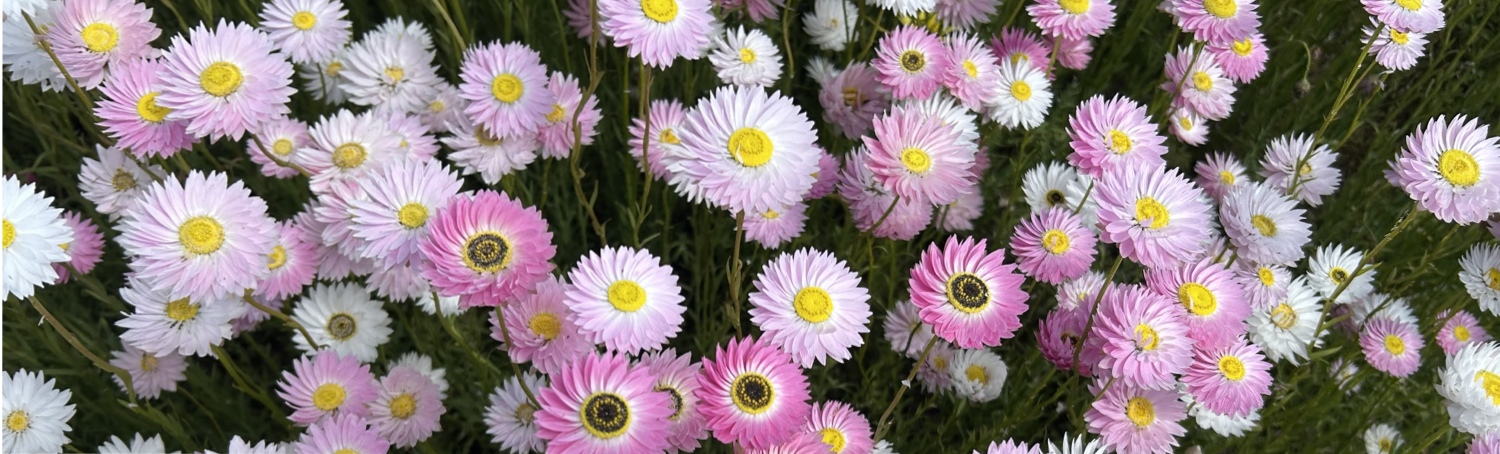
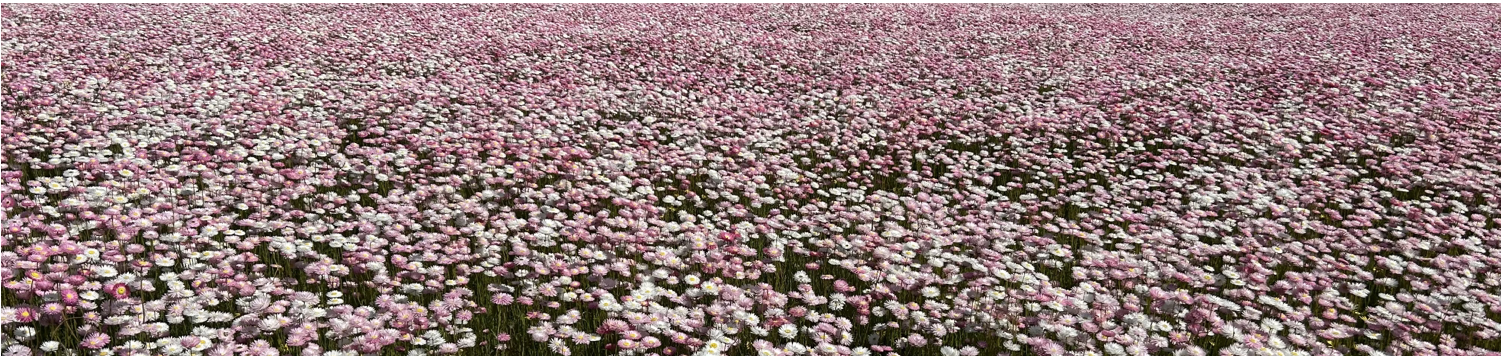
Yep, it certainly was a field of dreams. Mobrup is nearly a two hour drive north west of Albany, but a drive worth taking. The event was Lucinda’s Everlastings annual open day. We went last year, but just had to do it again. Jen and Rob Warburton have been growing everlasting for 22 years but really you can never tire of seeing fields of everlastings.
Everlastings are an Australian native and I’ve seen them in the wild. Naturally, you can’t pick wildflowers, but Jen and Rob have provided an opportunity for the public to visit their farm and pick your own wildflowers.
This is the video I put together at the Open Day. Jen and Rob tell their story and there’s plenty of footage of a wonderful display of everlastings. Enjoy
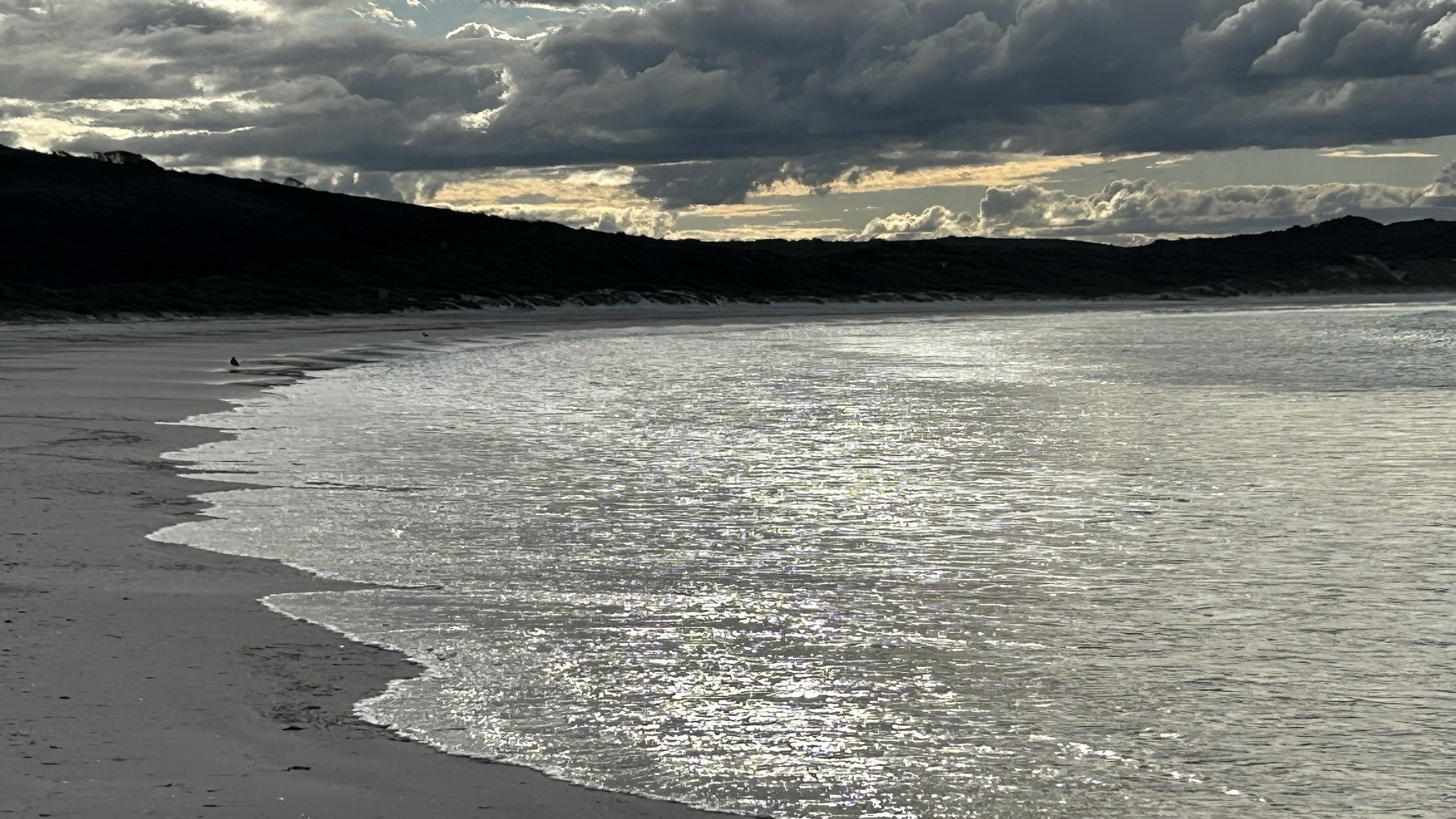
Spotting whales is one of those things that are “hit and miss”. When my wife and I booked a couple of nights at Cheynes Beach Caravan Park, just a 45minute drive east of Albany, Western Australia, we didn’t really know what to expect. We’d been a couple of weeks before and knew there were whales there, but also knew that the whales didn’t always turn up as expected.
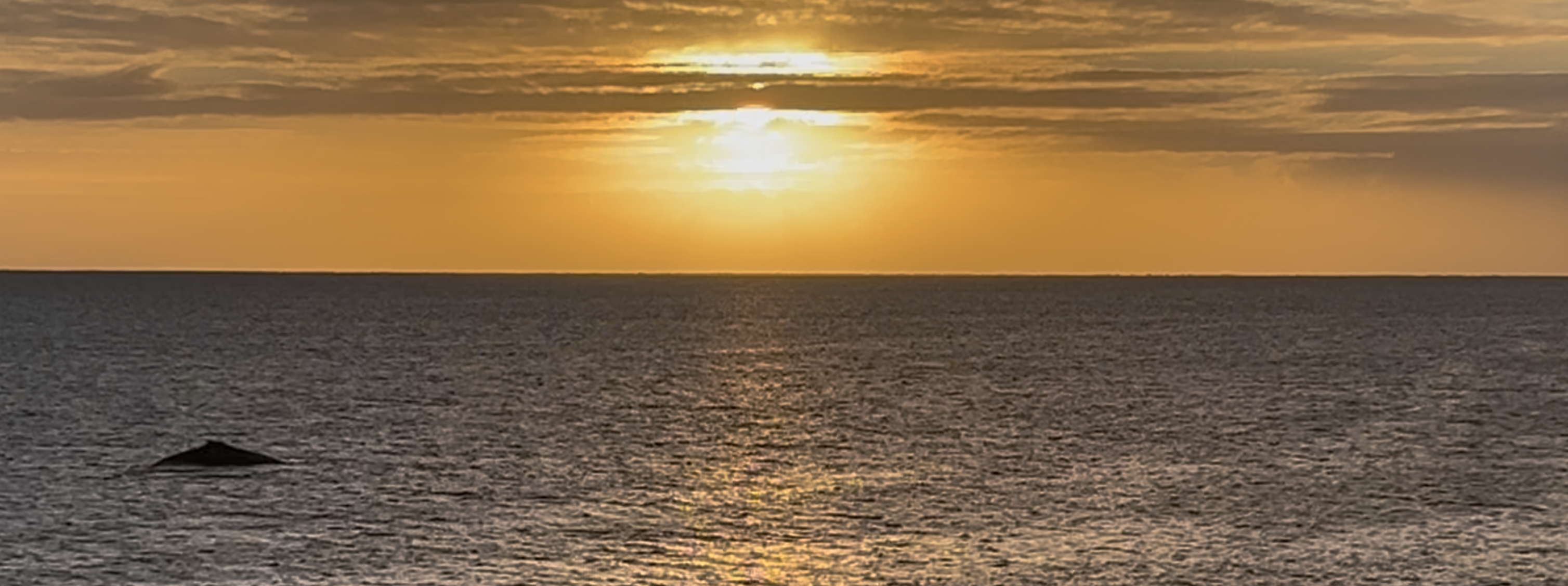
The first morning I got up while it was still dark to watch the sunrise. This in itself was worth the early start, particularly when a whale popped up right in front of the rising sun.
There are so many things about Cheynes that are just stunning, including the amazing scenery, the wildlife, birds, and flora, but most people go there to see the whales. Whales migrate along the “Humpback Highway” just off the coastline. Between June and October they travel north to calve, then return south with their young to feed. Sheltered bays like Cheynes offer vital resting spots for mothers and calves.
Early in the day I spoke with a couple of guys who were using their drones and on their advice tried to fly mine to where they had spotted a mother and her calf. After going backwards and forwards I was warned that the battery was running low and the drone was heading home. That was a bit scary as I waited patiently for it to return. It was a great relief when I finally heard the buzz overhead and the drone came down right in front of me.
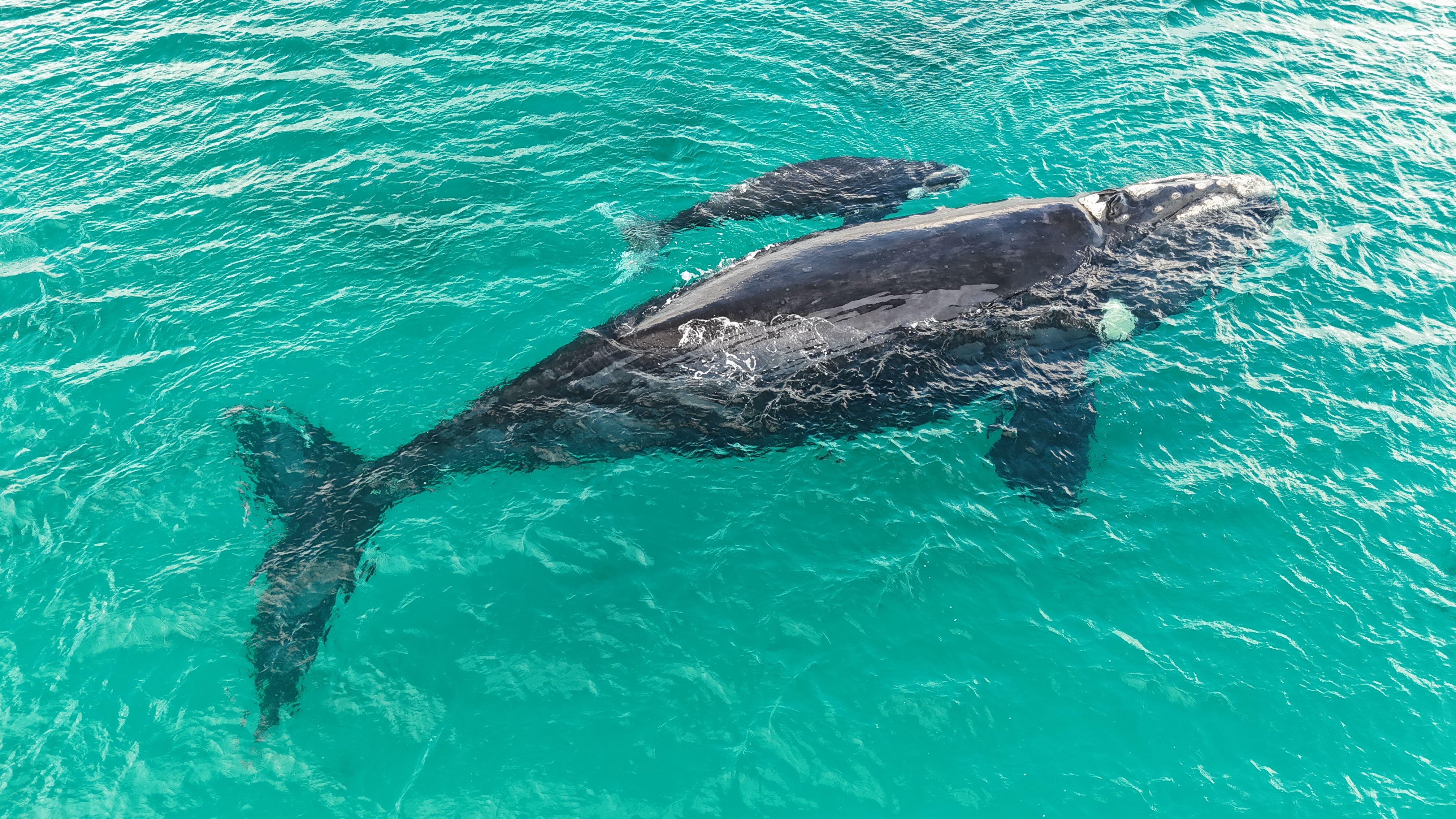
Later in the day someone said there was a mother and bub not far from the beach so I changed my location and put the drone up. I spotted them not far from the beach so headed up. It’s hard to describe the sense of excitement when you stop overhead and see a fully grown Southern Right Whale and her baby, probably less than a month old.
The regulation is that drones need to be at least 60 metres above whales, so I adhered to this regulation, but used the zoom function to get in a bit closer. This is the result.
Mt Barker is a town of less than 3000 people, situated about 50km north of Albany in Western Australia. Make your way through town and down a road that seems to be heading into the bush, and you come across a couple of large sheds. Everything looks normal until you spot an extra-large corkscrew and a set of dominoes being held up by tiny red people. That’s when you realise you’re onto something unique.
George and Sue Corke have been running the Corkescrew Gallery for 19 years. Did you get the play on the name Corke? As you go past a giant mousetrap and into the gallery, you’re already getting a clue that you’re in for a surprise. Sure enough, when you’re inside, the surprises begin and keep on coming.
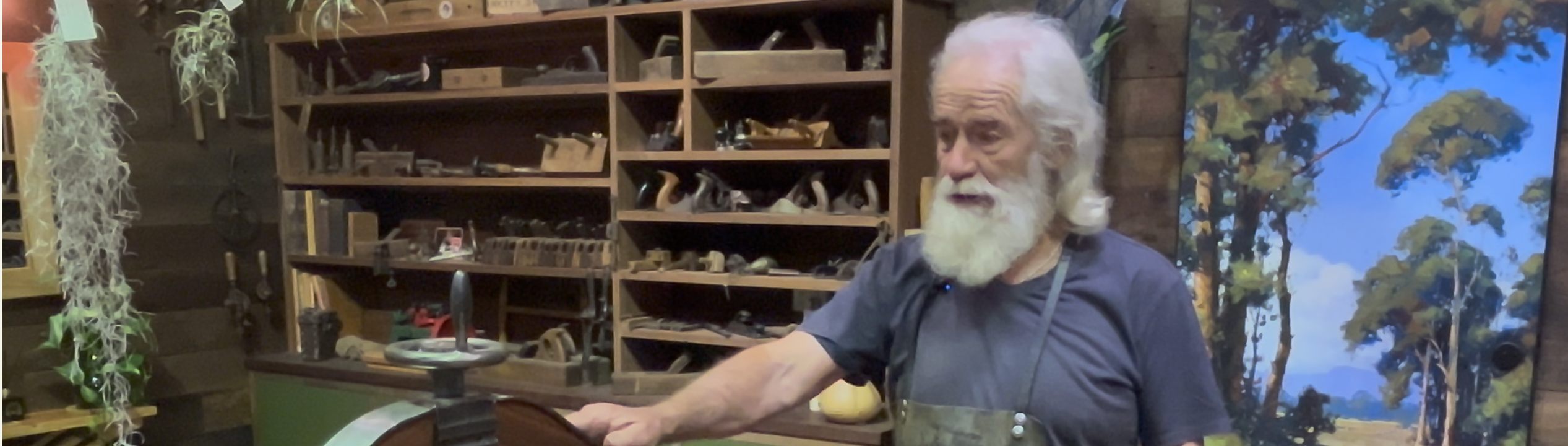
George told me that even at school, he had wanted to try his hand at something artistic but didn’t get the chance until late in life. Now his gallery, and indeed, the whole yard, is filled with amazing pieces of art, usually created with George’s signature media, steel and wood. From a giant octopus to a beautiful piece of sheoak being rolled out through an old mangle, which itself was made with re-purposed steel, George’s art makes you stop in your tracks.
A traditional telephone box that has been built from scratch, an old truck that George still uses to drive around town, and a giant piece of barbed wire hanging from the ceiling, all capture the attention of anyone visiting the Corkescrew Gallery. This is definitely worth a visit, and to get a taster, check out my video.
Genevieve Milnes lives a generous live. She’s busy with a wide range of activities, all of which bring her joy, but her life is also lived to bring joy to others.
I visited Genevieve on her Kendenup property, north of Albany, Western Australia and heard her many stories about a life that started right there on that property. As we sat on the verandah in view of the Stirling Range, the theme of much of her photography, she chatted about how she got into psychology and how that led to the Anglican priesthood.
She talked about how she had her first taste of photography at school, then took it up again later with a focus on the regrowth of her local environment following devastating bushfires. Genevieve is now well known as a landscape photographer.
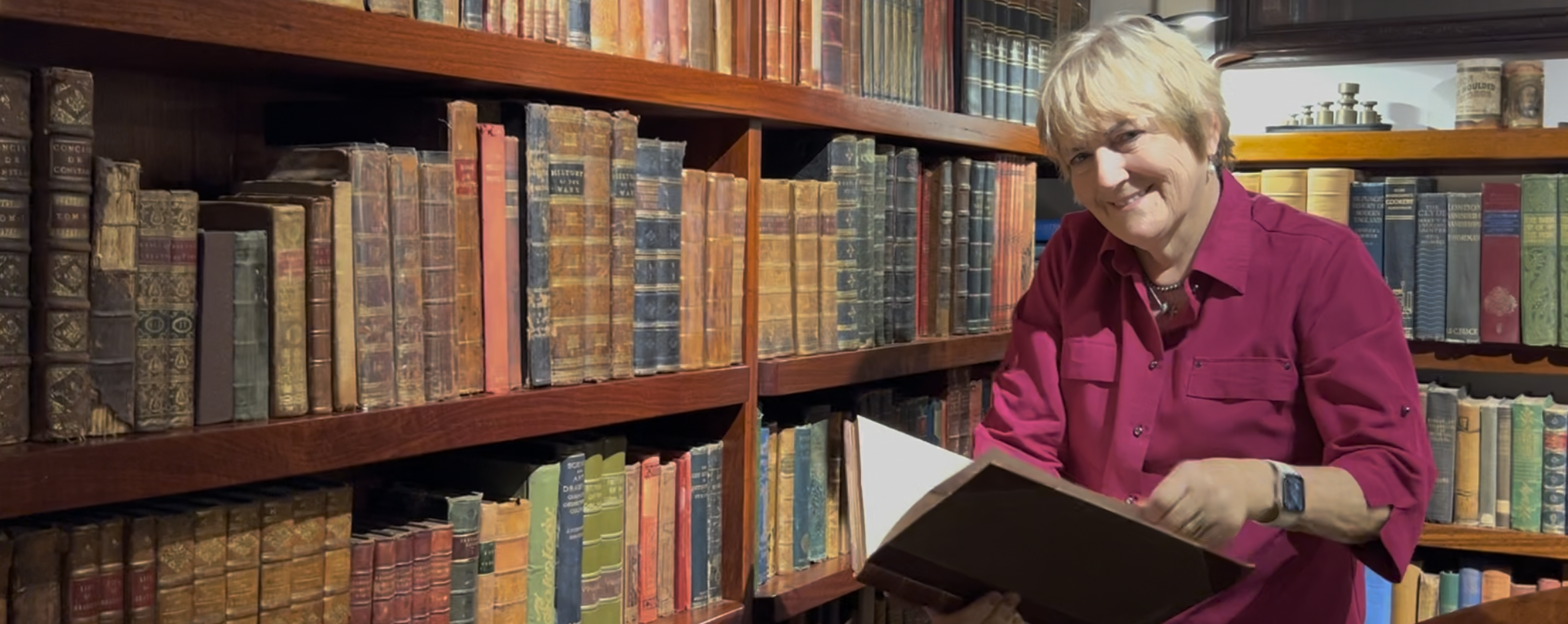
Then she showed me her books and told the story of how she first got involved with restoring old books, telling the story of her meeting with an antiquarian bookseller in France.
There is a sense of joy in the way Genevieve tells all the stories of her generous life and the way in which that joy bubbles over into every aspect of her life. It’s been a full life, but one in which her contribution to both her work and her hobbies has intersected with many other lives along the way, bringing hope and joy to them as well.
The Stirling Range, also known as Koi Kyennu-ruff, is an important part of the environment of the lower Great Southern region of Western Australia. It is over 60 kilometres wide from west to east, and is protected by the Stirling Range National Park, which was gazetted in 1913, and has an area of 1,159 km2.
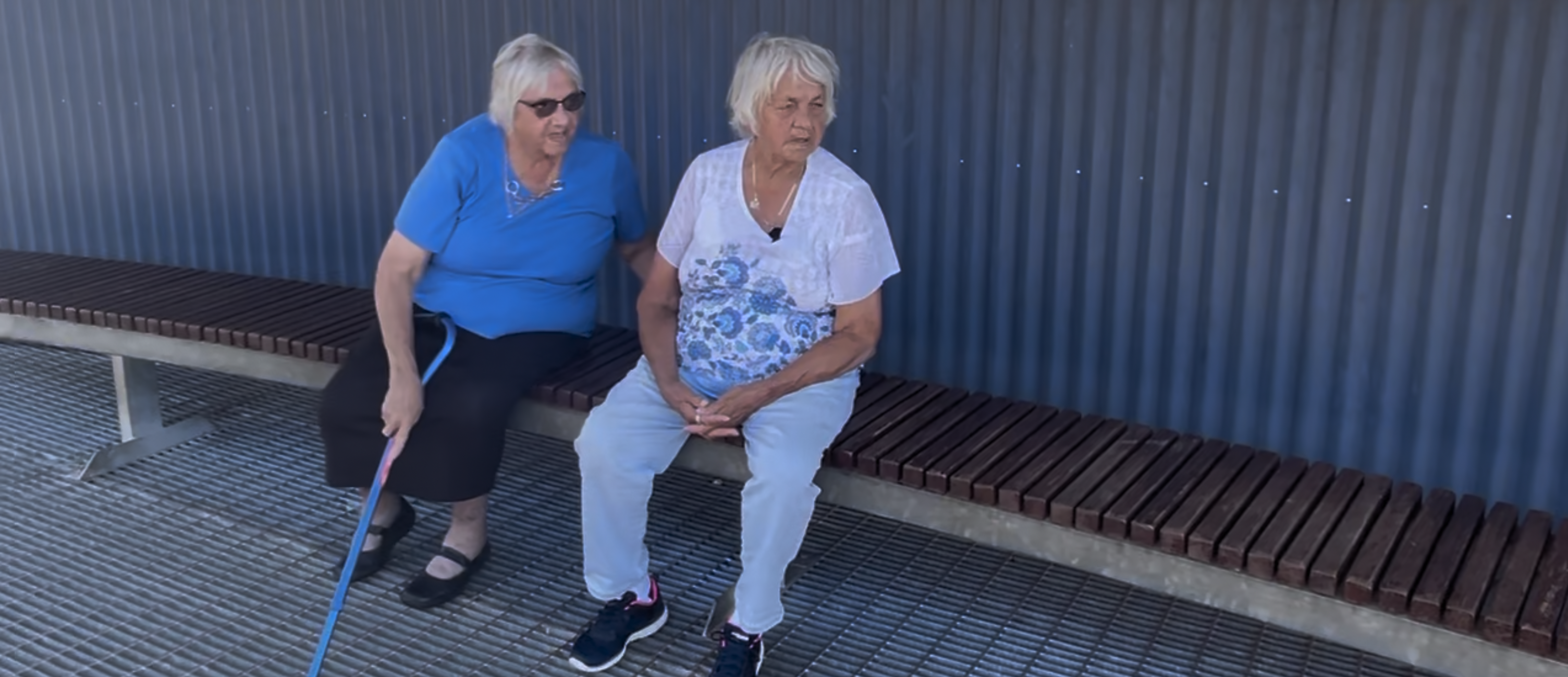
I took Noongar sisters Treasy Woods and Averil Dean to the Stirlings to allow them to tell the stories about why the various peaks in this mountain range are important to them and their families. This video, in particular, focuses on Toolbrunup and Bular Mial, or Bluff Knoll.
It was wonderful to sit with these women and hear the stories that have been passed down to them for generations. While we sat quietly looking at Bular Mial, a tourist coach arrived, and a group of overseas visitors got out of the bus, walked to the viewing platform and began taking selfies. After a few minutes, they were back on the bus and heading off to their next stop.
Treasy and Averil quietly told how this mountain peak is a respected location because it is the place where the spirits go when they die. Bular Mial means eyes, and they told me that the shapes on the mountain represent the eyes of their ancestors watching all who come and go. Sadly, the visiting tourists missed that as they snapped their selfies.
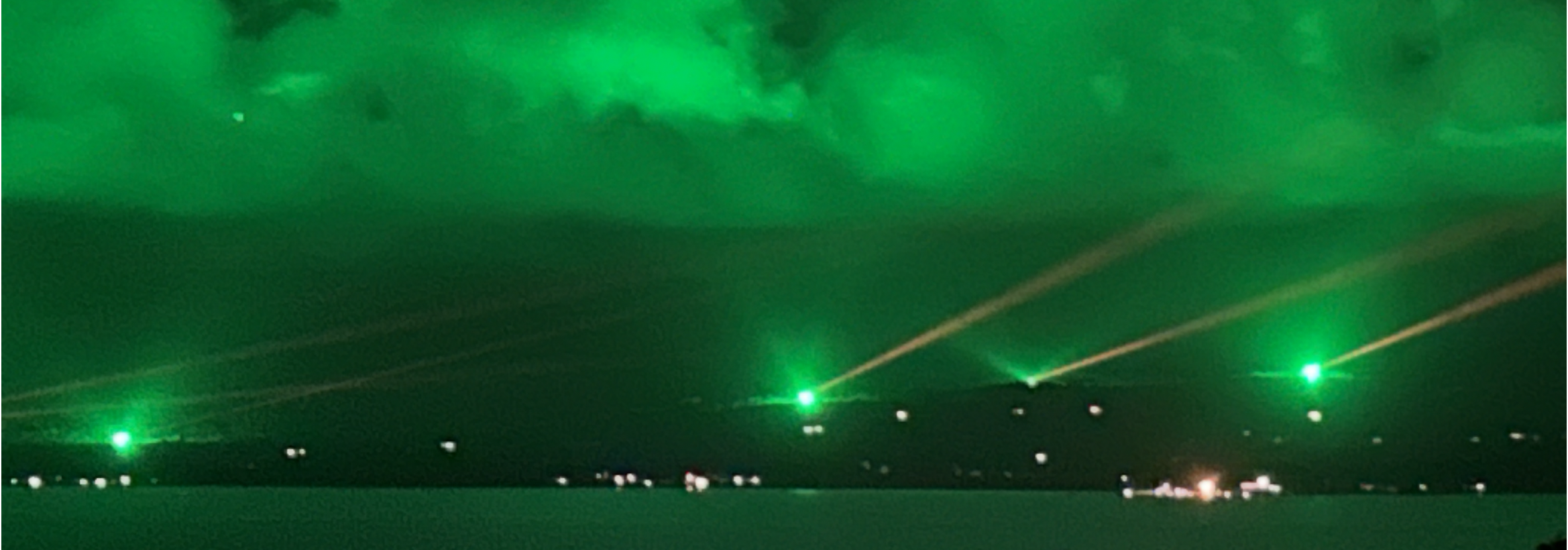
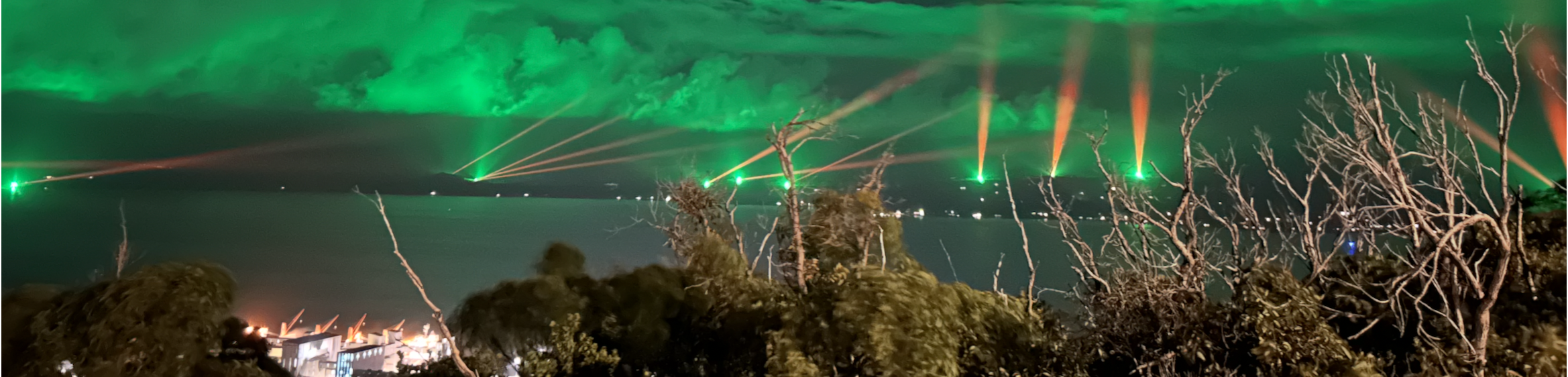
It was an absolute privilege to spend time with Finnish Light Artist, Kari Kola prior to Lighting the Sound this weekend. In this week’s video I talk to Kari about what is the largest light installation on earth.
I found Kari to be a very gracious and generous man who was more than willing to take me out to where he and his team had established 13 towers, up to 20 metres in height. The towers each carried LED lights, nearly 750 in total, including 15 lights that shot red pencil beams into the sky.
It was interesting to read people’s comments after the event. Some people felt the whole event was “underwhelming” (I assume that is the opposite of overwhelming). In this video, Kari explains that while many people will come to the lights expecting movement, his intention was to focus on one thing. He said he wanted people to be still. The emphasis of the installation was to focus on Albany during its bicentenary. The movement, he said, was not in the lights but in the environment around them. True to form, the clouds proved to be what moved, and along with the movement came a changing panorama of green and red light.
I found that photographically the best technique to bring out Kari’s purpose was using time-lapse. This had the effect of focusing on the lights as a static display, while everything around, including the environment, moved. It was a bit of a buzz when a ship decided to leave the port as I was doing a time-lapse! It was also exciting that the STS Leeuwin was in Albany this weekend and got into the pictures.
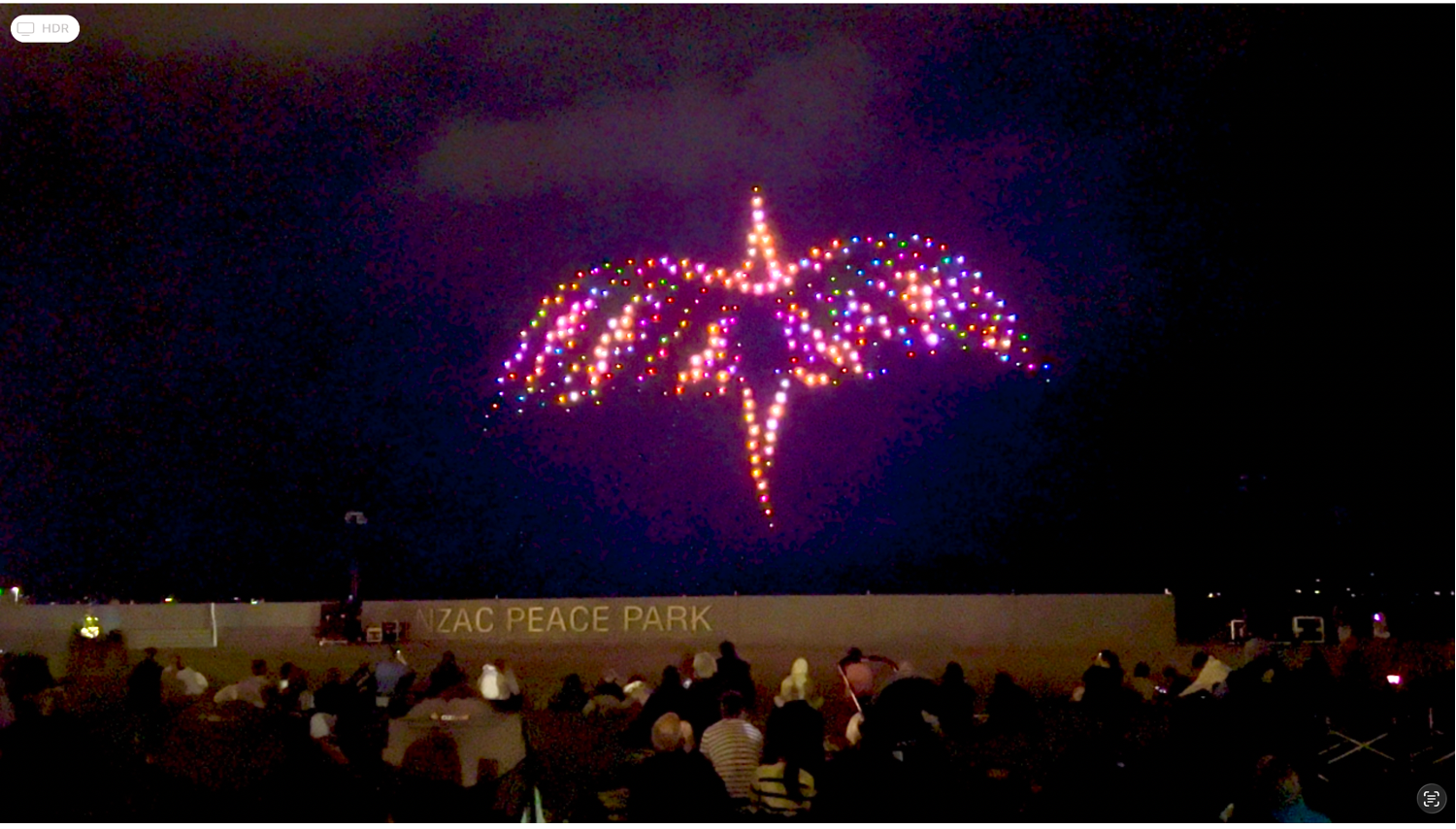
The bicentenary of Albany, Western Australia, has kicked off brilliantly. Over the weekend, First Lights Kinjarling told three Menang Noongar stories using a drone show in the skies above Anzac Peace Park. The first of these was a story about a hill in the Stirling Ranges, north of Albany, Kaawar Maat.
A few weeks earlier, I took Menang elders, Averil Dean and Treasy Woods to the Stirlings, where Averil Dean told me the story of Kaawar Maat. It was wonderful to see the hill and hear the story from the mouth of a person who had received the ancient story from her parents and grandparents.
Averil’s story took on a new light as I watched the drone show and saw 21st-century technology tracing pictures in the sky that re-told that ancient story to a modern audience.
I hope you’ll enjoy this video that ties together Averil’s story with the Drone show of the same story.
By the way, while we were in the Stirlings I heard some more fascinating stories which will be shared in another video in a few weeks’ time.
When I met Carol Pettersen OAM at Barmup, or Strawberry Hill Farm, I couldn’t help but notice her spirit of hopefulness. In January, Carol was awarded the prestigious Annette Knight Community Citizen of the Year Award by the City of Albany. The award recognised her outstanding volunteer leadership since 1975 and her enduring work empowering Aboriginal communities through policy, education, justice and employment.
Carol isn’t afraid to speak about the history of Aboriginal people over the past 200 years, but neither is she afraid to speak hopefully about the future. Albany’s bicentenary, she said, is an opportunity to commemorate the strength, resilience and the adapation strategies that Aboriginal people have adopted as they sought to find their place in non-Aboriginal society. It was also a time to celebrate their achievements and to look forward to the future.
I trust you’ll enjoy this video and gain strength from hearing from a woman who has led her own people with resilience and hope.
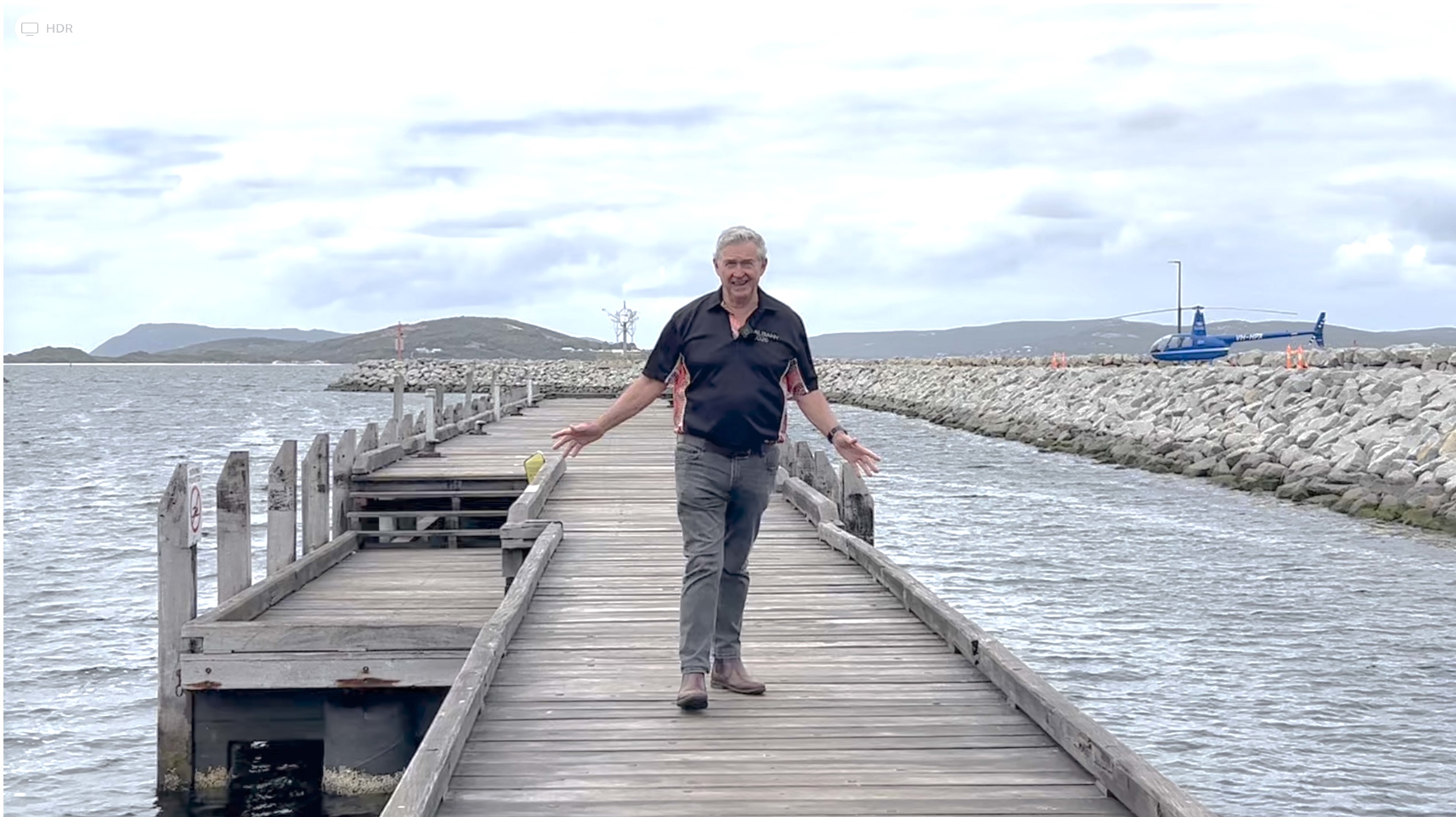
This year, 2026 is the bicentenary of Albany, Western Australia. We got in just before WA celebrates its bicentenary because Albany was the first town established in the state. It’s an important event and a huge number of activities are planned for the year.
I took the time to meet with Albany Mayor Greg Stocks to get his slant on the year and to hear his story. It was great to hear about some of the events that are planned early in the year, but also to hear how the bicentenary has been a focus of his role as Mayor of the City of Albany.
There are some great events coming up in March and I’ll give you the tip, I’ve got some stunning videos coming up that link with these events.
Watch the video, and please remember to subscribe to this site and to my YouTube channel.
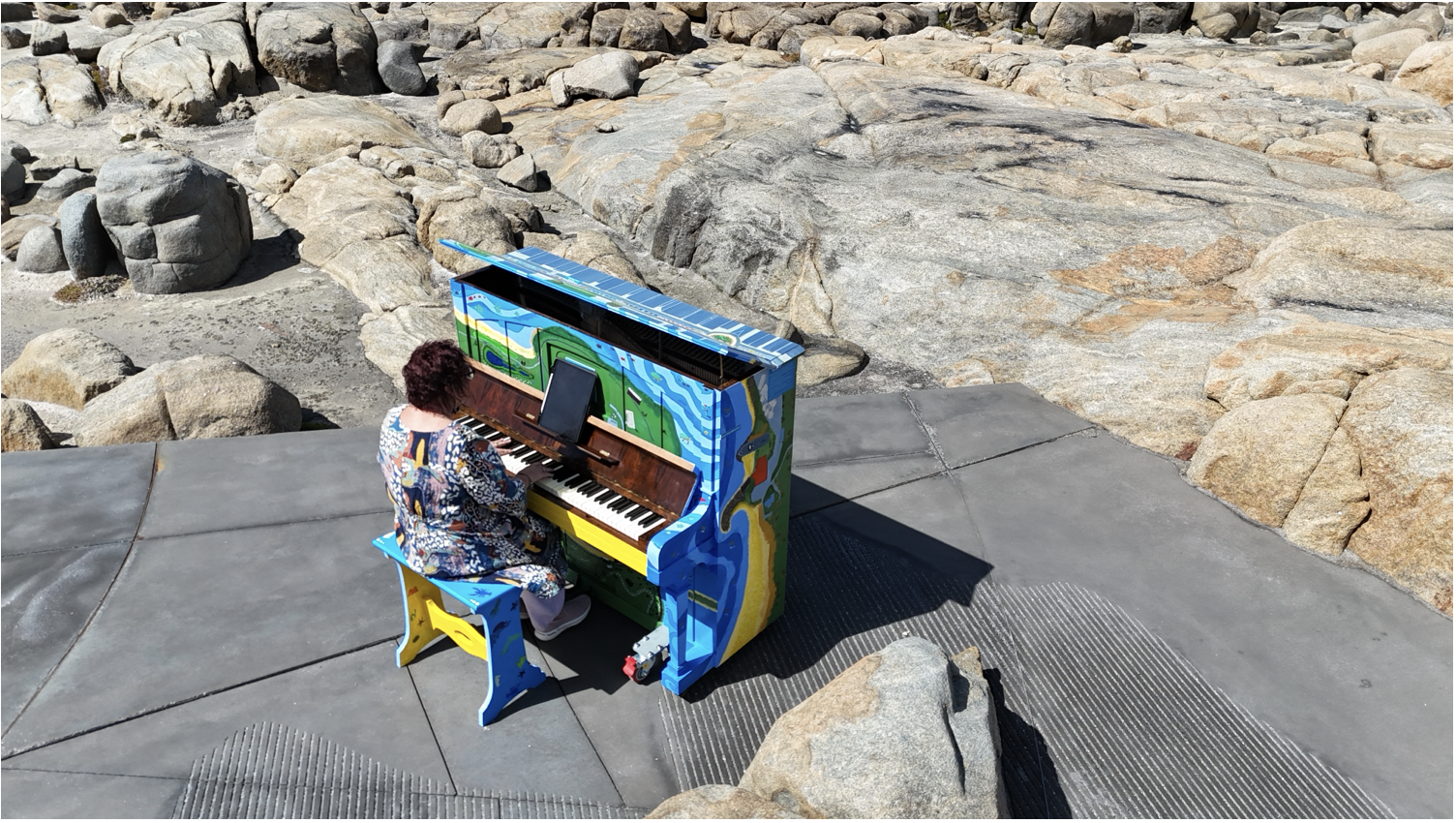
I’ve started 2026 slowly in terms of posting videos because I have been spending time following a unique community project. When Helen Bolton benefitted from her father’s estate and decided to find a pop-up piano for Albany, she started a process that has incorporated the whole community.
I have followed the steps of restoring the piano, starting at Albany Men’s Shed, where the piano was stripped down and sanded. It was here that I met the original donor of the piano, which was more than 100 years old and destined for the scrap heap. Peter Bailey took the piano home and repaired it in preparation for its restoration.
I loved following the piano to the Kadadjiny Aboriginal Corporation, where a team of young artists, under the direction of talented Denmark artist, Sara Coyne, designed and painted their musical canvas. They carefully designed each panel, reflecting the places where the piano would eventually visit: The Gap, Albany’s Historic Whaling Station, and the Town Square. Later in the year it will also appear at the National Anzac Memorial and at Middleton Beach.
Once the artwork was completed, Kinjarling Keys was transported to the Gap in Torndirrup National Park, where local artist Adam Cook made it sing. Then it was on to Albany’s Historic Whaling Station, where another local musician, Adrian Kenyon, entertained onlookers. Finally, it moved to Albany’s town square which will be its home for Albany’s Bicentennial Year, 2026.
It was a privilege to follow this journey and to be a part of a truly interactive project, that will make an ongoing contribution to the Albany community.