Archive for March, 2026

The Stirling Range, also known as Koi Kyennu-ruff, is an important part of the environment of the lower Great Southern region of Western Australia. It is over 60 kilometres wide from west to east, and is protected by the Stirling Range National Park, which was gazetted in 1913, and has an area of 1,159 km2.

I took Noongar sisters Treasy Woods and Averil Dean to the Stirlings to allow them to tell the stories about why the various peaks in this mountain range are important to them and their families. This video, in particular, focuses on Toolbrunup and Bular Mial, or Bluff Knoll.
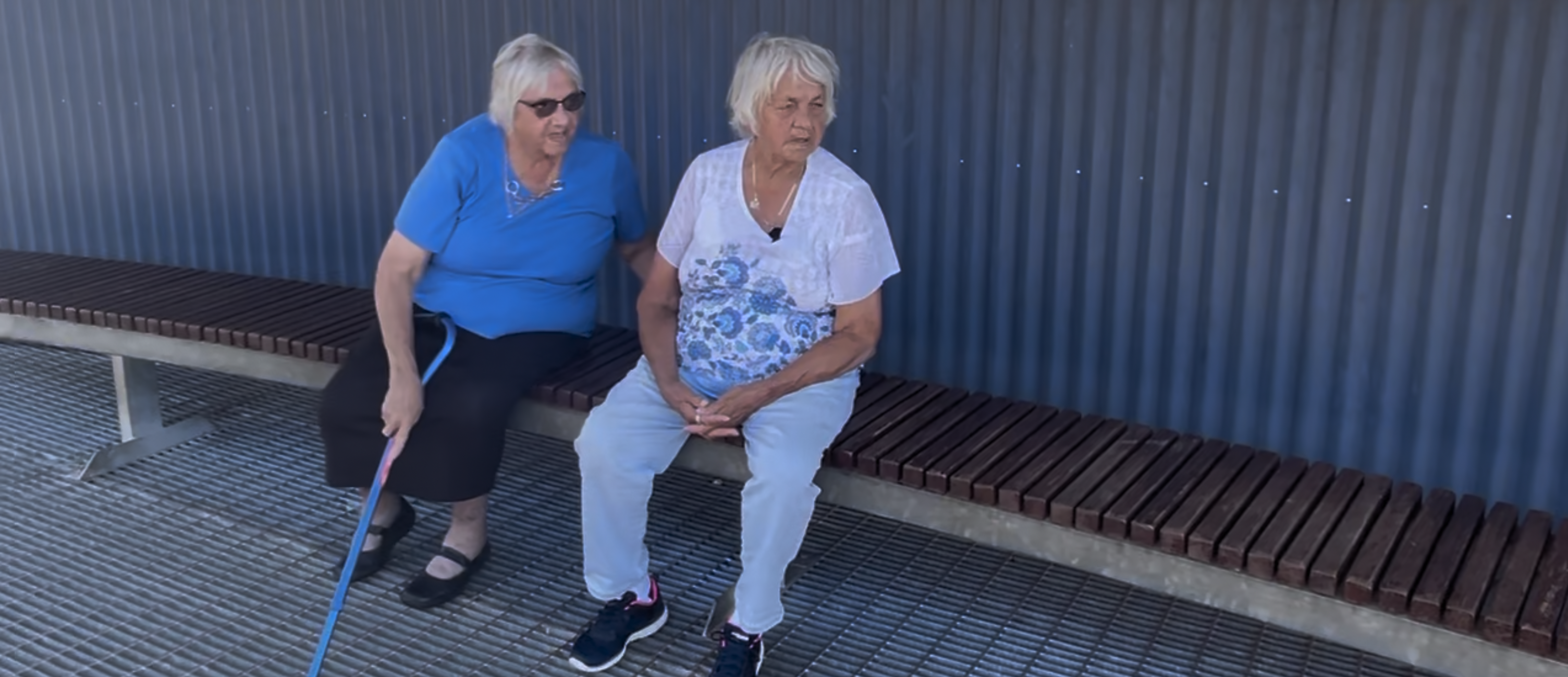
It was wonderful to sit with these women and hear the stories that have been passed down to them for generations. While we sat quietly looking at Bular Mial, a tourist coach arrived, and a group of overseas visitors got out of the bus, walked to the viewing platform and began taking selfies. After a few minutes, they were back on the bus and heading off to their next stop.

Treasy and Averil quietly told how this mountain peak is a respected location because it is the place where the spirits go when they die. Bular Mial means eyes, and they told me that the shapes on the mountain represent the eyes of their ancestors watching all who come and go. Sadly, the visiting tourists missed that as they snapped their selfies.
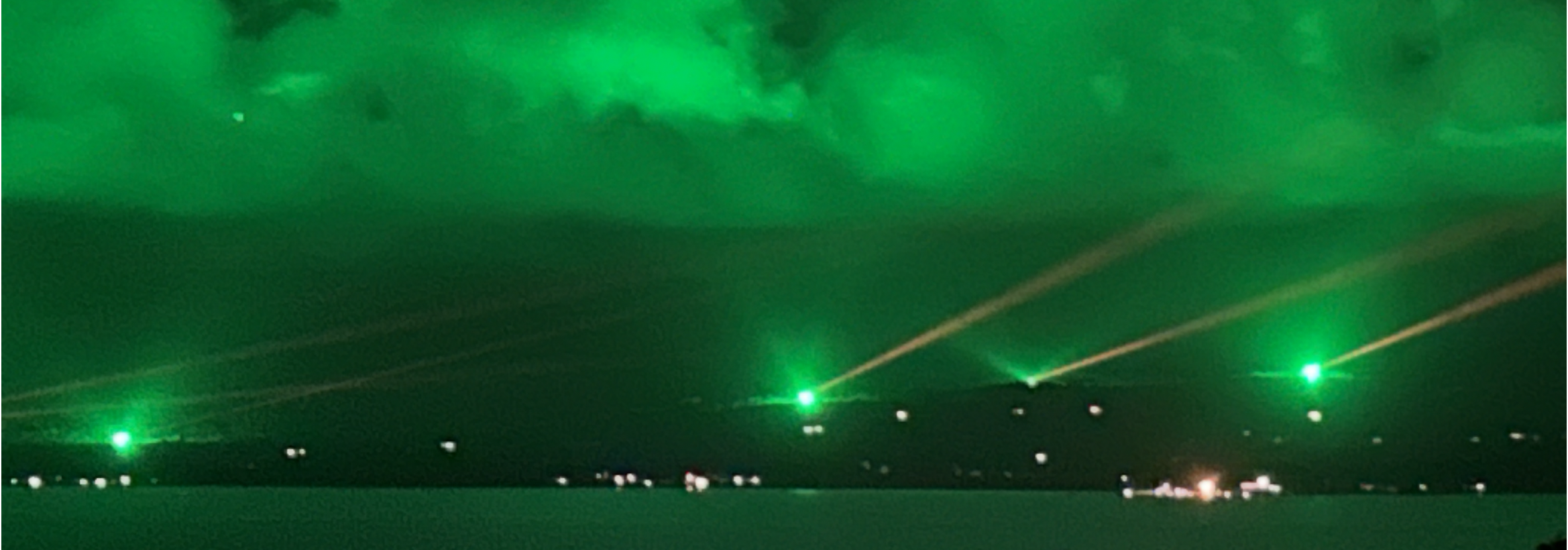
It was an absolute privilege to spend time with Finnish Light Artist, Kari Kola prior to Lighting the Sound this weekend. In this week’s video I talk to Kari about what is the largest light installation on earth.

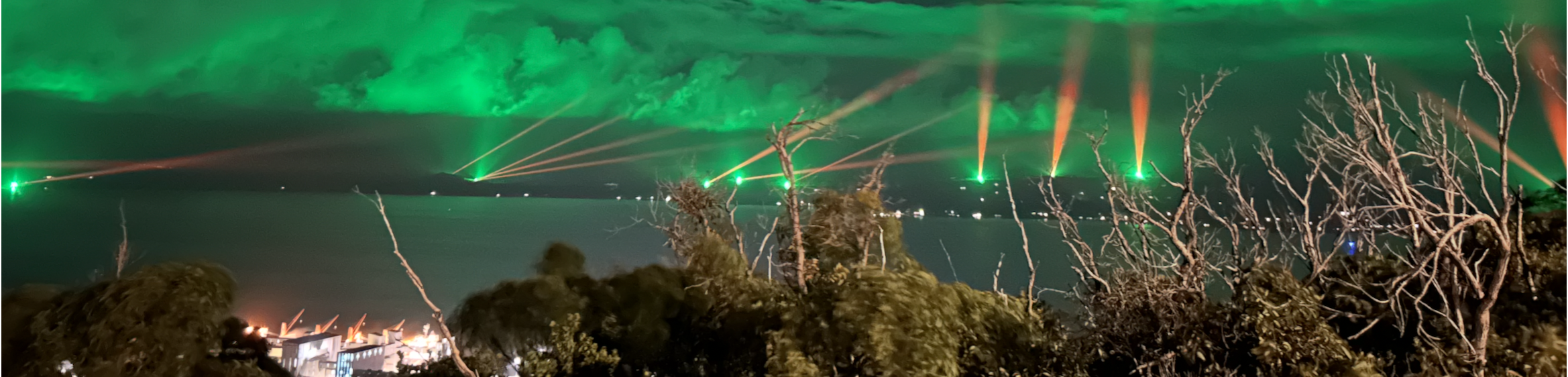
I found Kari to be a very gracious and generous man who was more than willing to take me out to where he and his team had established 13 towers, up to 20 metres in height. The towers each carried LED lights, nearly 750 in total, including 15 lights that shot red pencil beams into the sky.

It was interesting to read people’s comments after the event. Some people felt the whole event was “underwhelming” (I assume that is the opposite of overwhelming). In this video, Kari explains that while many people will come to the lights expecting movement, his intention was to focus on one thing. He said he wanted people to be still. The emphasis of the installation was to focus on Albany during its bicentenary. The movement, he said, was not in the lights but in the environment around them. True to form, the clouds proved to be what moved, and along with the movement came a changing panorama of green and red light.

I found that photographically the best technique to bring out Kari’s purpose was using time-lapse. This had the effect of focusing on the lights as a static display, while everything around, including the environment, moved. It was a bit of a buzz when a ship decided to leave the port as I was doing a time-lapse! It was also exciting that the STS Leeuwin was in Albany this weekend and got into the pictures.

Kaawar Maat

Posted: March 9, 2026 in Albany and the South Coasts

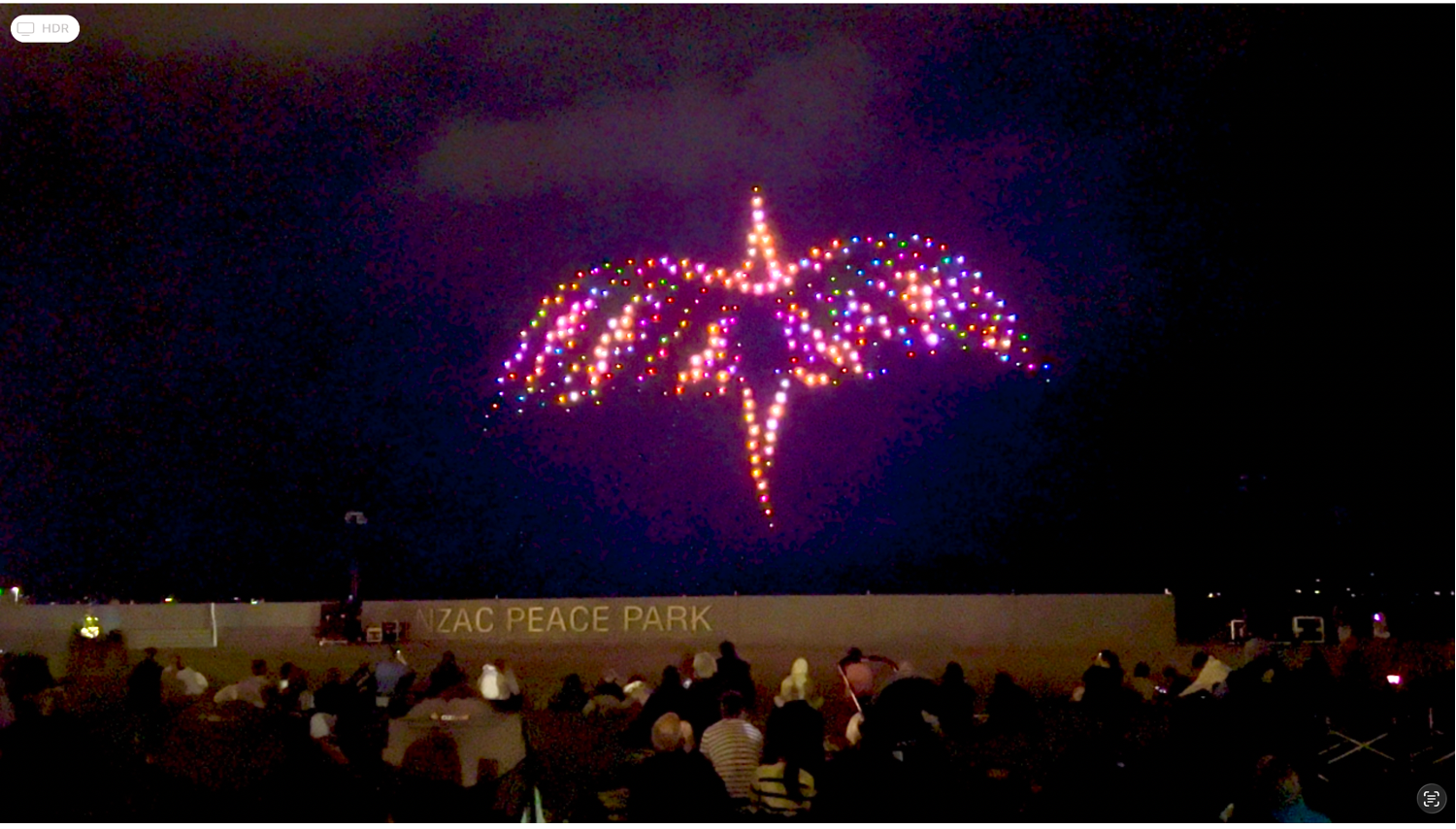
The bicentenary of Albany, Western Australia, has kicked off brilliantly. Over the weekend, First Lights Kinjarling told three Menang Noongar stories using a drone show in the skies above Anzac Peace Park. The first of these was a story about a hill in the Stirling Ranges, north of Albany, Kaawar Maat.

A few weeks earlier, I took Menang elders, Averil Dean and Treasy Woods to the Stirlings, where Averil Dean told me the story of Kaawar Maat. It was wonderful to see the hill and hear the story from the mouth of a person who had received the ancient story from her parents and grandparents.

Averil’s story took on a new light as I watched the drone show and saw 21st-century technology tracing pictures in the sky that re-told that ancient story to a modern audience.

I hope you’ll enjoy this video that ties together Averil’s story with the Drone show of the same story.

By the way, while we were in the Stirlings I heard some more fascinating stories which will be shared in another video in a few weeks’ time.